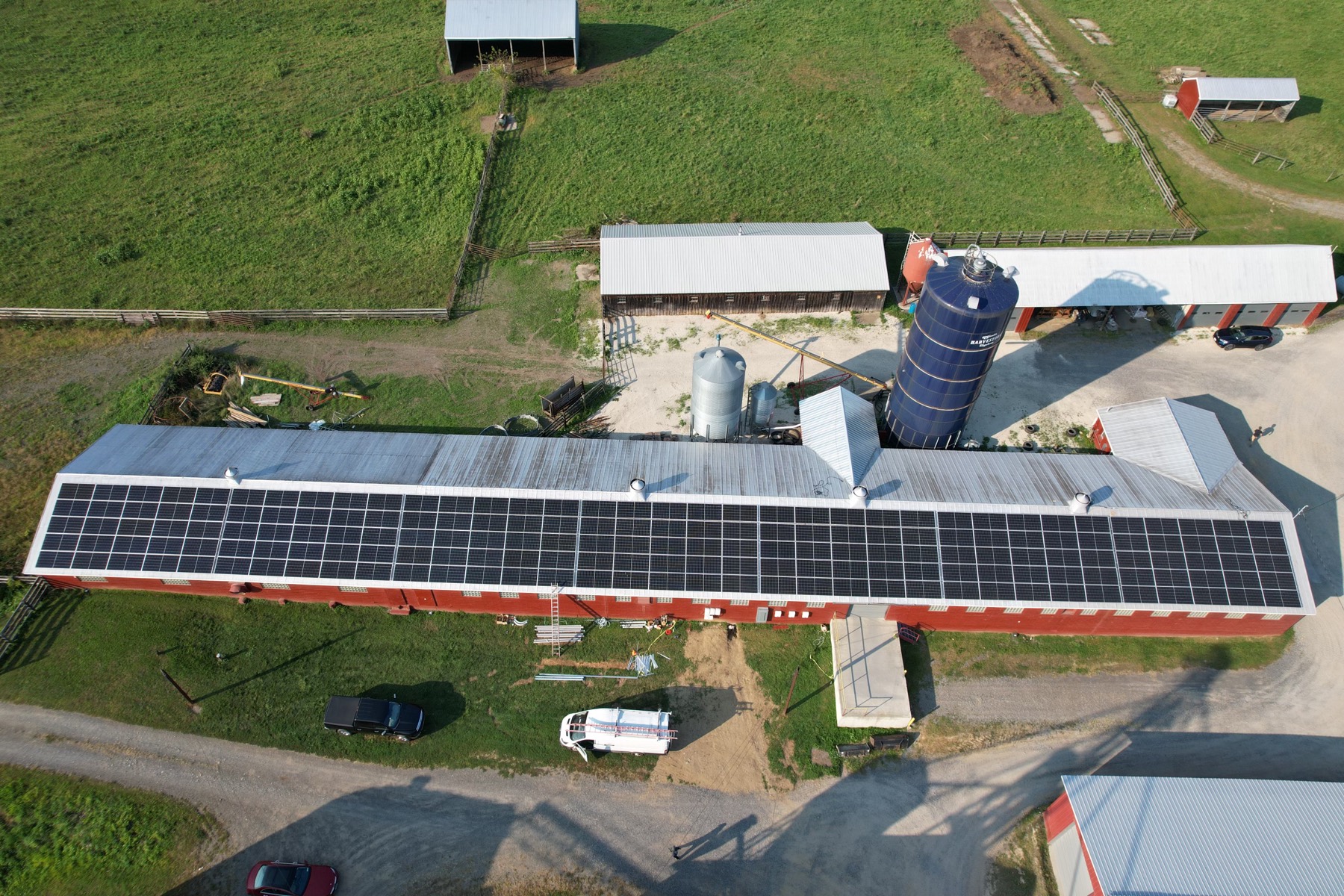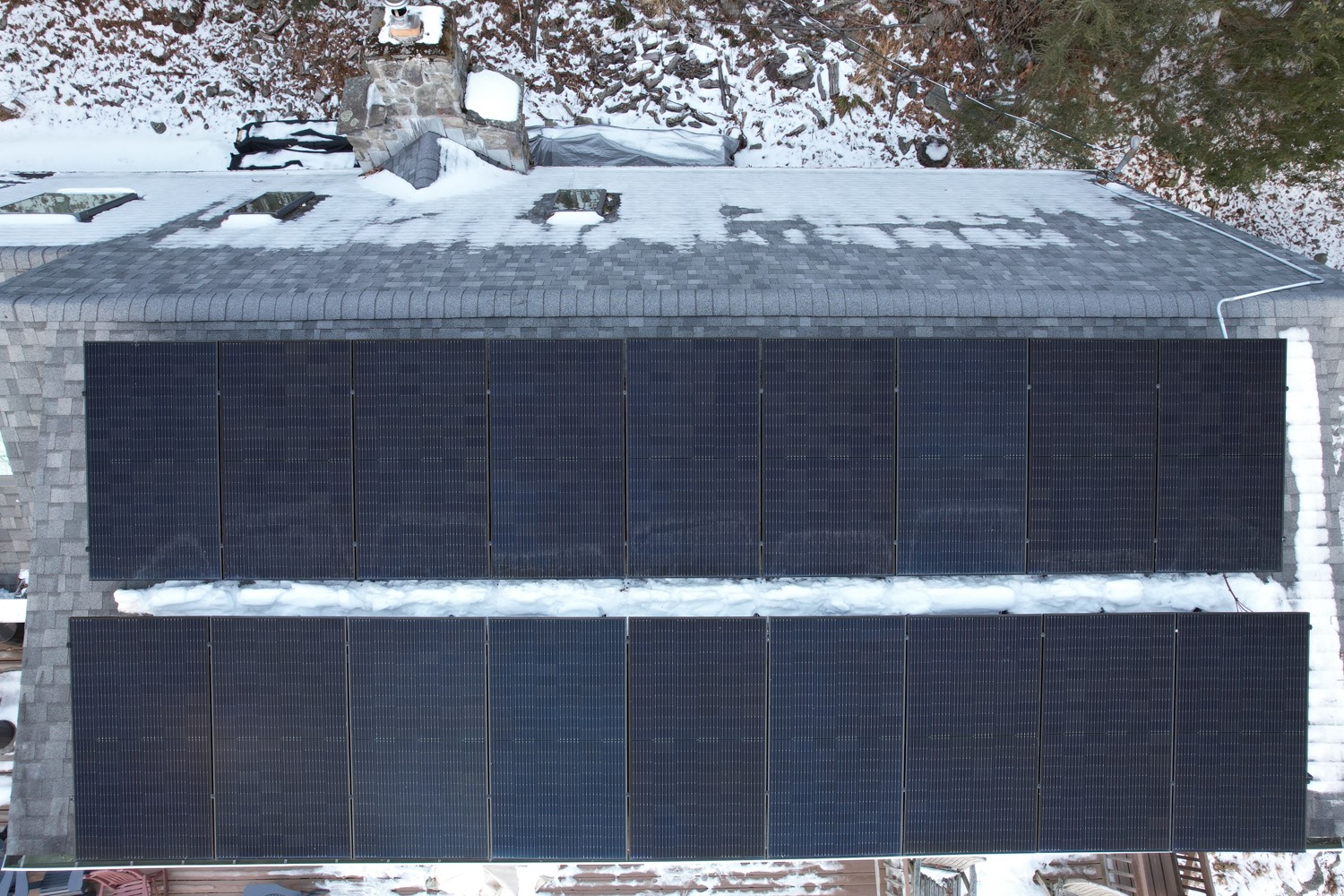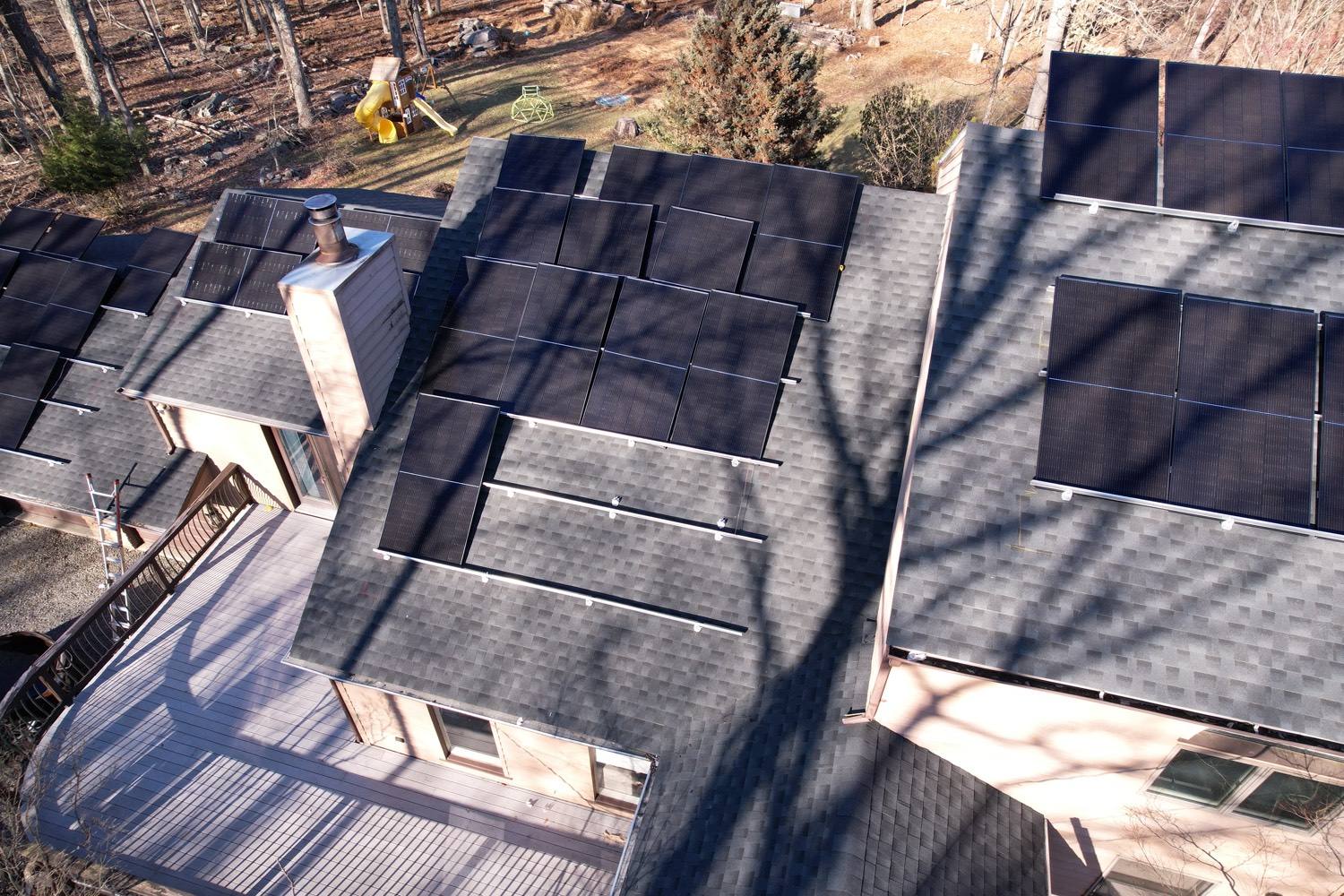
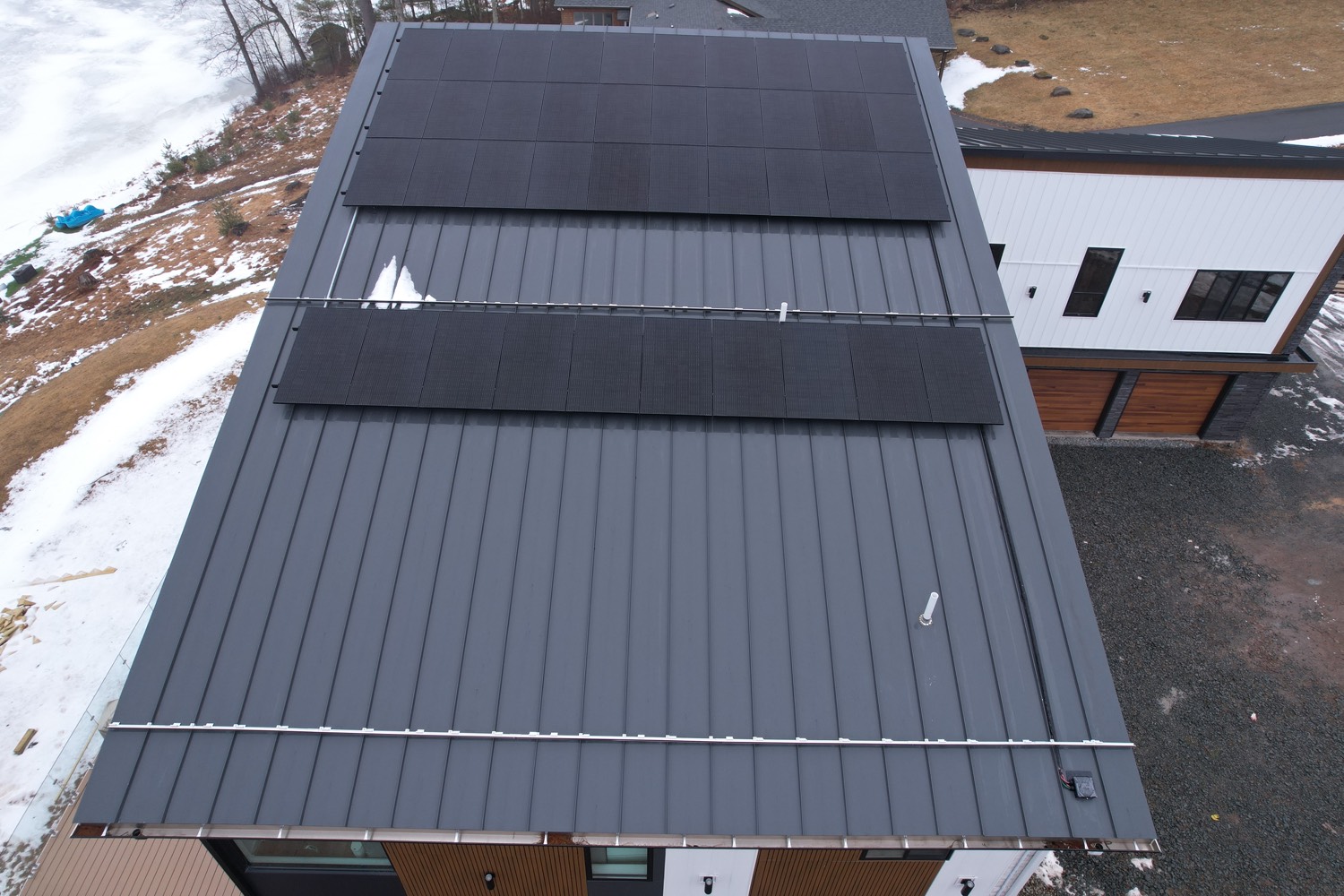
A detach and reset is a roofing job with an electrical system sitting on top of it. Arrays installed through the 2010s are now hitting reroof age across the Poconos, Orange and Sullivan counties, and northern New Jersey, which makes this the most frequent solar work a roofing contractor will ever be asked for. It is also the work with the least marketing attached to it and the clearest liability line, provided somebody draws that line before the first module comes off.
Why this is the easiest solar work a roofing company can sell
There is no design, no sales pitch and no system to specify. The customer already owns the array and already needs the roof. The only decision is who removes and reinstalls it, and the roofing company is the one holding the relationship.
That makes detach and reset a recurring, weather-driven revenue line rather than a one-off, and it is entirely brand-neutral. Nobody is being sold a system. It is the reason we treat it as a straight labour scope for roofing partners rather than as a solar sale.
The four things that decide the scope
Every quote we send back on a detach and reset comes down to the same four variables. Send us these and the rest is arithmetic.
- Mount type. Composition shingle with flashed standoffs, standing-seam metal with clamp attachment, tile, and ballasted flat roof are four different jobs. Standing-seam is usually the fastest because nothing penetrates the roof; tile is usually the slowest.
- Module count and module type. Framed modules with conventional racking behave predictably. Older laminates, thin film, and anything with a discontinued frame profile do not.
- Electrical architecture. String inverter, microinverters or optimisers changes the disconnect and reconnect work substantially. Module-level electronics mean every module comes off with a device attached to it, which is more parts to track and more failure points to test on the way back.
- Storage and interim plan. Where do the modules live between removal and reinstallation, who is responsible for them there, and how many days is that? A staged reset over two dry days is a different job from a store-and-return four weeks later.
If you send nothing else, send a photo of a rail end and a photo of the inverter. Mount type and electrical architecture between them decide most of the labour hours on a detach and reset.
Where the liability actually sits
This is the part worth agreeing in writing, and the part most partnerships skip until the first cracked module.
The array is an energised system even with the utility off. It has to be shut down, isolated and verified before anything is unbolted, and rapid shutdown has to be confirmed working again before the site is left. Doing that with an unqualified crew is not just a safety question. It is the question an insurer asks afterwards.
Three clauses solve almost everything:
- As-found documentation. A photo set and a monitoring screenshot before anything is touched, agreed by both crews. This is what stops an argument about a module that was already cracked, or a string that was already underperforming, from becoming a dispute.
- Damage allocation. Who pays for a replacement module, and who pays for the trip to install it. Say it plainly. Modules from a discontinued line may not be replaceable like for like, and that needs to be a known risk rather than a surprise.
- Penetration ownership. New flashing and new penetrations belong to the roofing scope; mount and rail attachment belongs to the PV scope. Where those two meet is the only place a leak can be argued about, so name it in the contract.
Working out the split on a specific job? Send us the roof scope and a photo of the array and we will come back with what our part covers and where yours starts.
Sequencing that does not waste a roofing crew's week
The scheduling problem is the real one. A roofing crew cannot sit idle waiting for a PV crew, and a PV crew mobilising twice for one job doubles the travel.
The sequence that works:
- Site walk or photo review; confirm mount type, module count, inverter type and access.
- Detach day, ideally the day before the roofing crew starts. Modules and racking off, penetrations exposed, conduit and roof-level electrical made safe, everything labelled and stored.
- Roofing scope runs uninterrupted.
- Reset day once the roof is complete and inspected. New flashing, new attachment, modules back, torque checked.
- Re-commissioning and documentation. Monitoring back online, production verified against the as-found baseline, rapid shutdown tested, closeout photos to the roofing company.
The two mobilisations in that sequence are the honest minimum. Anyone promising one is planning to have a PV crew on site while a roofing crew works around them, which is where damage happens.
| Roof type | Reset speed | Watch out for |
|---|---|---|
| Composition shingle | Fastest, most predictable | Decking condition under old standoffs; flashing detail at the new penetration |
| Standing-seam metal | Fast, no penetrations | Clamp compatibility with the new panel profile |
| Tile | Slowest | Breakage rate, replacement tile availability, hook compatibility |
| Ballasted flat | Moderate | Ballast redistribution, membrane protection, wind uplift recalculation |
Who this is not right for
A roofing company that wants to own the PV scope outright and carry the electrical exposure should hire a PV crew, not partner with one. The partnership model only makes sense if you want the roofing revenue and the customer relationship without the licence exposure, the fall-protection programme for array work, and the warranty tail.
The licensing and insurance file a roofing company should ask for first is in the prequal packet a subcontractor should hand you.
It is also the wrong model if the array is at end of life. Sometimes the correct answer for the property owner is not a reset at all, and a partner who says so before removing anything is worth more than one who does the reset and bills for it.
The local wrinkle
Two things bite in this territory specifically.
The first is weather windows. A detach and reset in the Poconos between November and March is a scheduling exercise as much as a labour exercise, and an array that comes off in a thaw and goes back on in a freeze can sit longer than anyone planned. Book detach and reset work with slack in it, or book it outside winter.
The second is the age of the fleet. Arrays from the early 2010s in Pike, Monroe, Sussex and Orange counties frequently come with a string inverter past its first service life, and the reset is the least disruptive moment in the system's whole life to replace it. That is a conversation for the property owner and the roofing company to have, not a decision for the PV crew, but it should be raised before the modules go back on, not after.
What we do on these
We take detach and reset as a labour scope under the roofing company's contract. The roofing company keeps the customer, sets the schedule and fronts the warranty to their client; we carry the workmanship warranty on the removal, the attachment and the re-commissioning back to them. Nothing with our name on it leaves the truck.
More on how we run partner jobs is on how a job runs, and the counties we mobilise to are listed under coverage. If it is a service problem rather than a reroof, read scoping a service call on a system you did not install instead.