If you are covering a permit-release surge, a crew that walked out, or a backlog you sold faster than you can build, the fastest way to get a real date out of a subcontract crew is to send five things. Everything else is a phone call that ends in "send us the plan set." This is the list, and it is roughly the same list any competent sub in Pennsylvania, New York or New Jersey will ask you for.
1. The plan set, or an honest statement that there is not one
A stamped plan set answers most of the labour question by itself: module count and model, racking system, attachment type, string layout, inverter or module-level electronics, conductor runs, and where the point of interconnection lands. If the plan set is still in engineering, say so and send the site survey instead. Both are workable. What is not workable is a description over the phone, because the estimate that comes back will be wrong and you will plan around it.
2. The site, the access and the roof
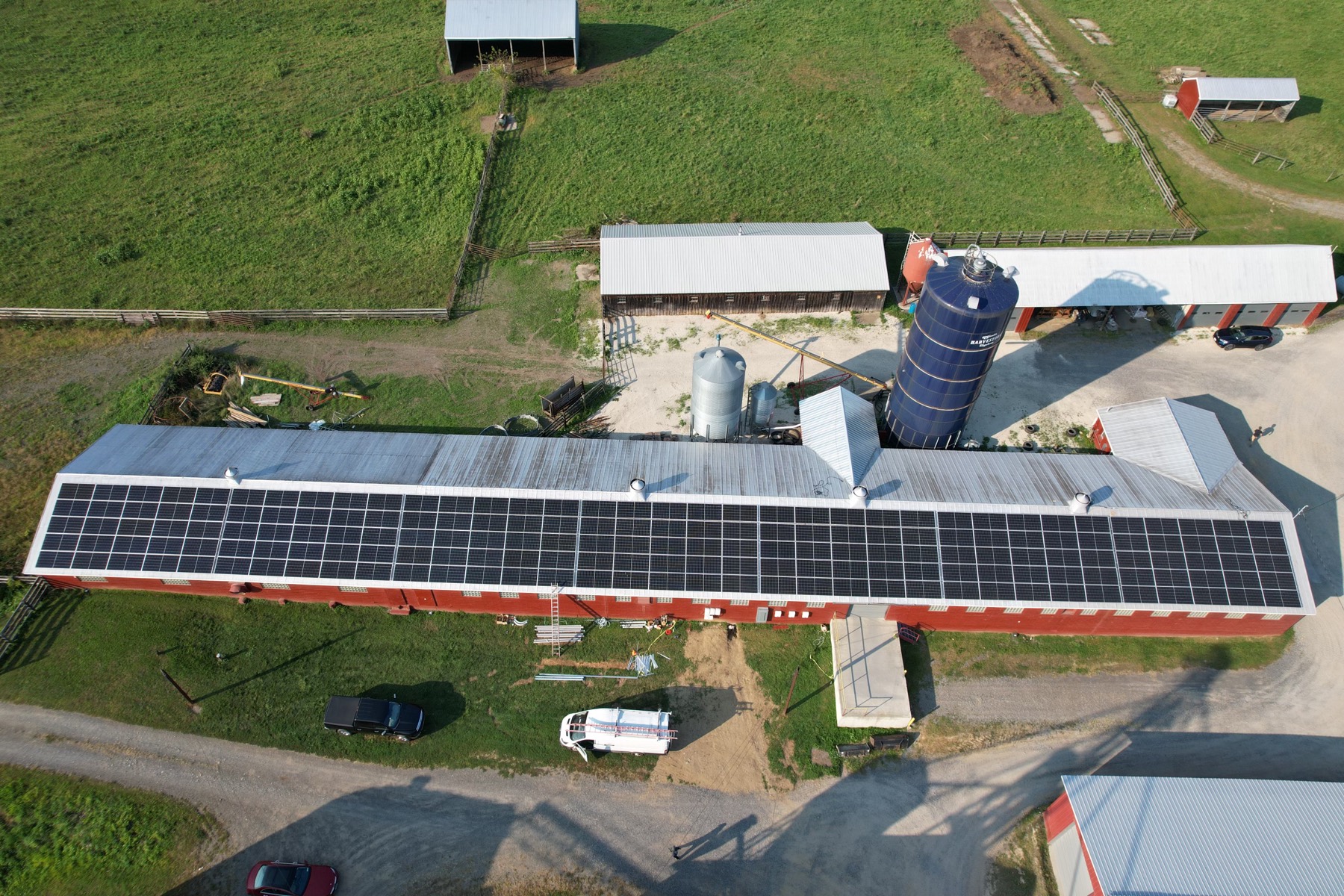
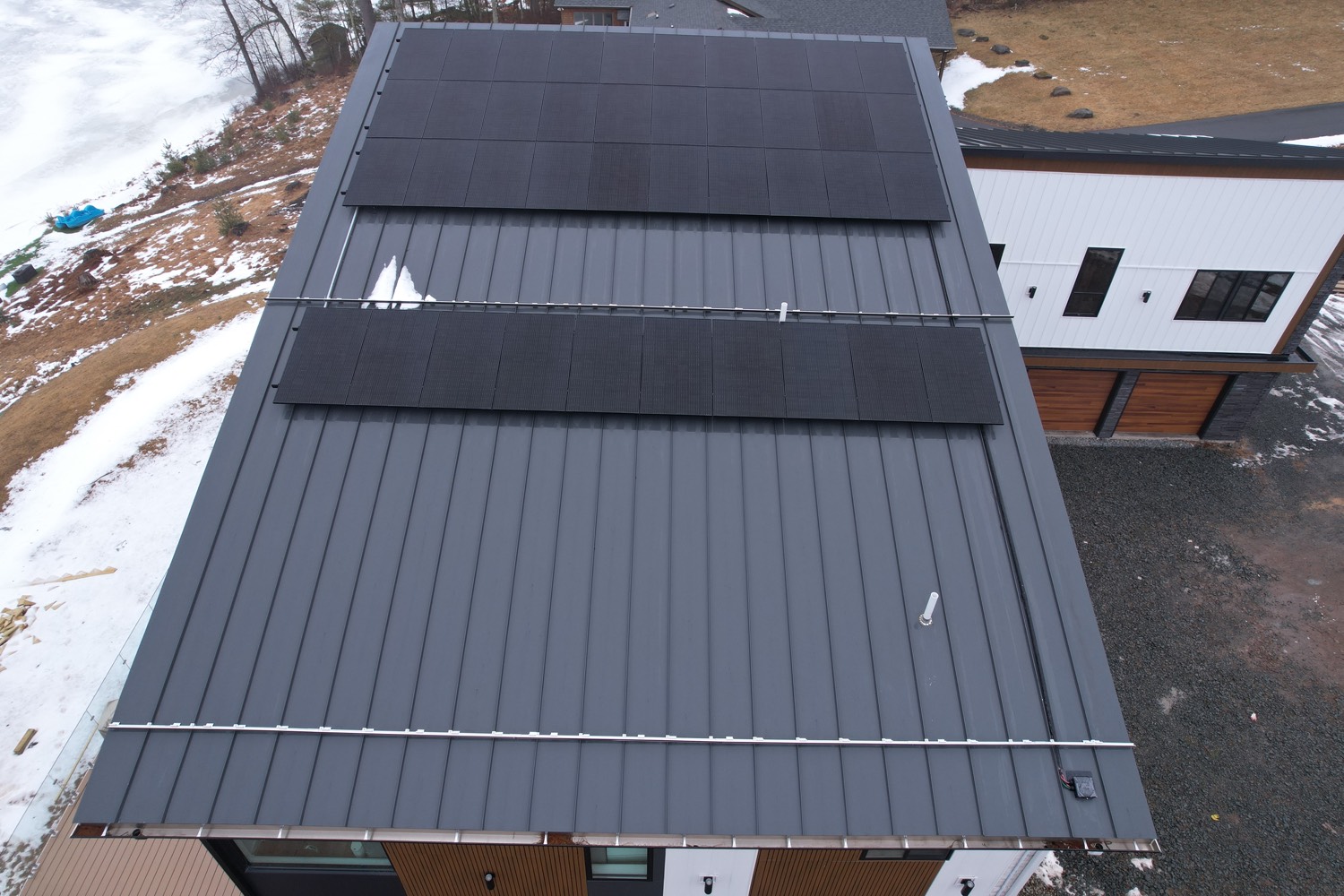
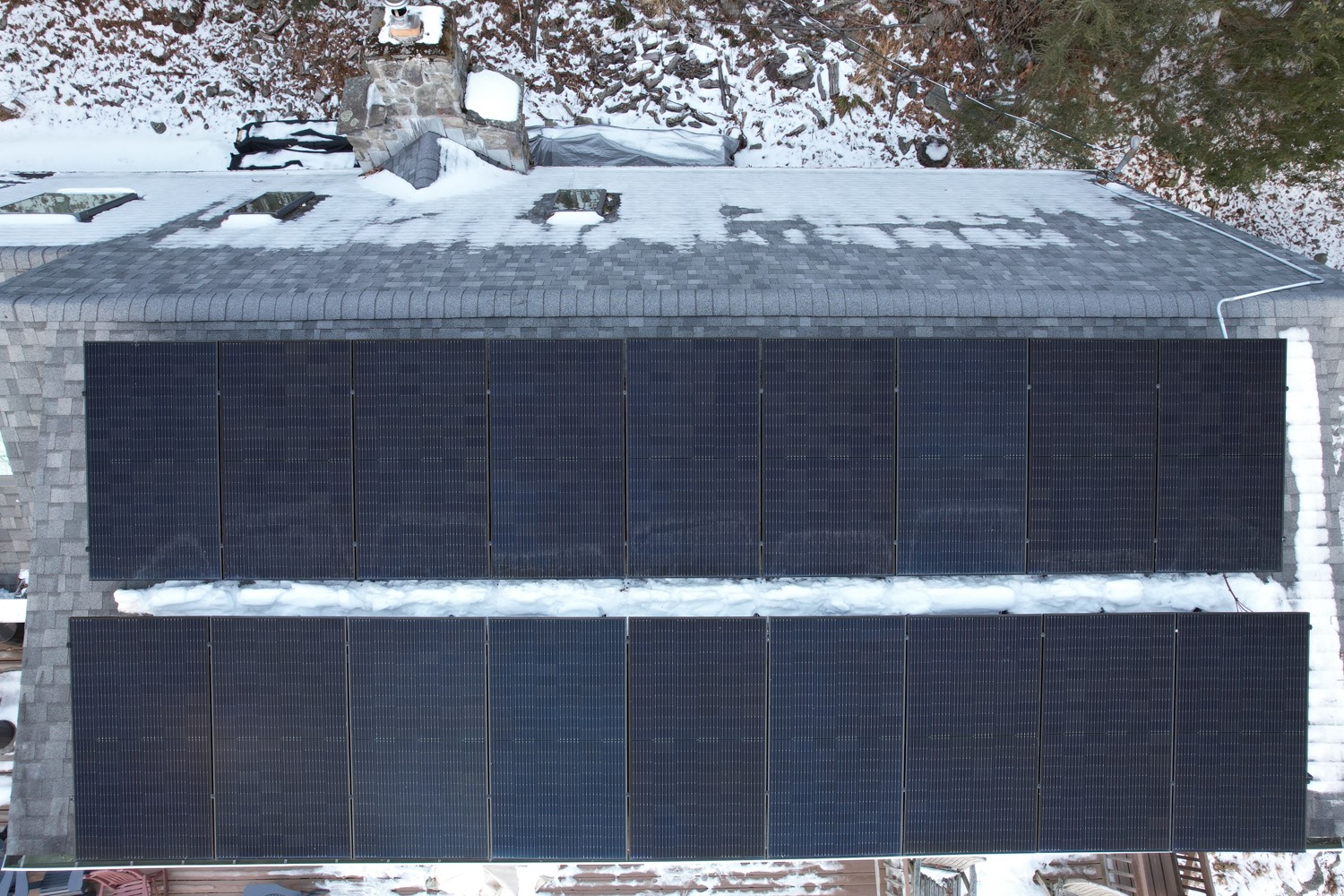
Address, roof type, pitch, storeys, and how a crew gets material to the roof. Steep and slate, standing-seam metal, ground mount and ballasted flat roof are four different labour profiles, and access constraints, a long carry, a tight driveway, a site with no staging area, can matter more than the array size.
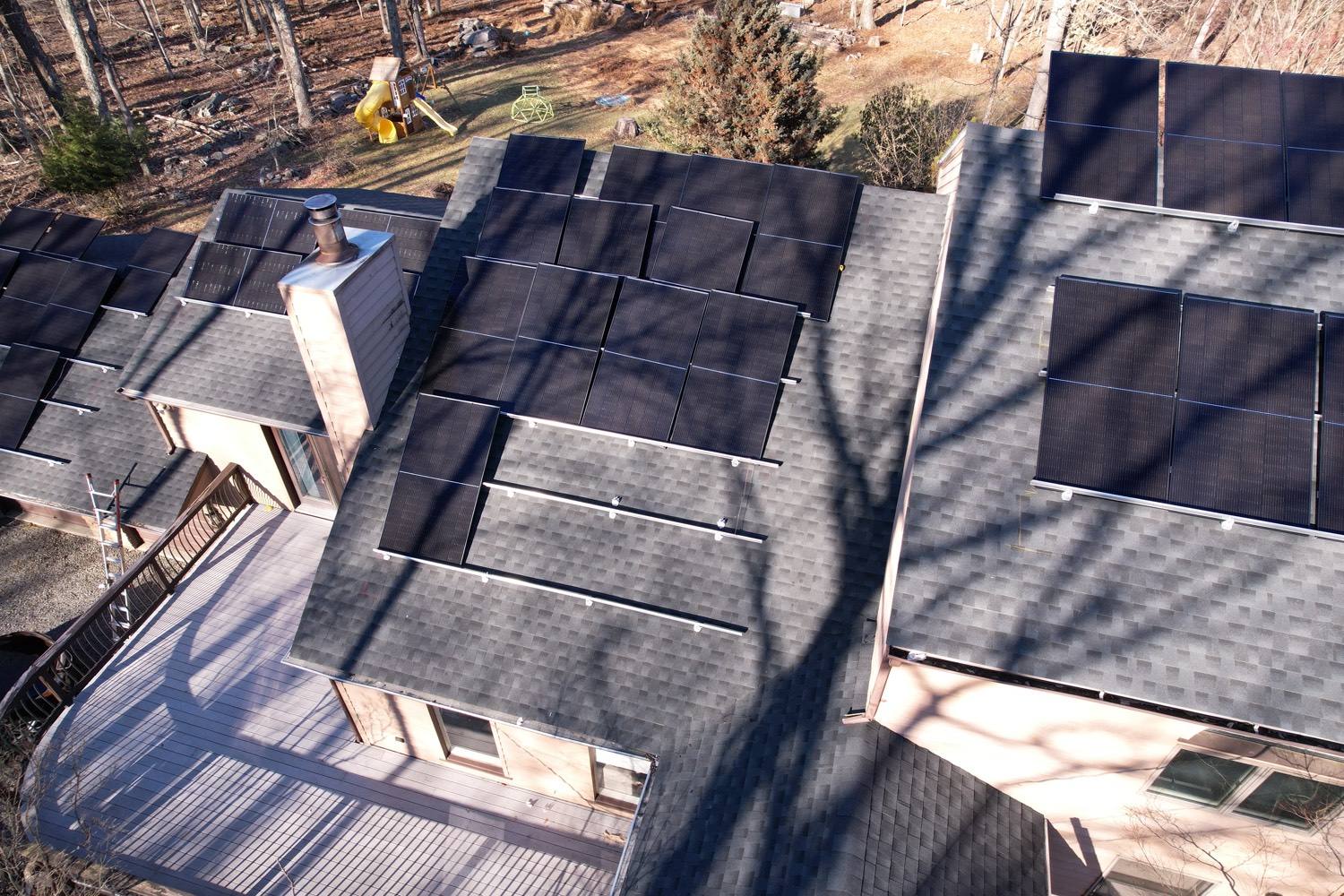
This is also where it is worth being blunt about the jobs your own crews avoid. Long-drive edge-of-territory work, awkward mounts and multi-plane arrays are a large part of why overflow subs exist. We would rather be told the job is difficult than discover it.
3. The window, and how hard it is
There are three useful answers: a fixed date you have already promised a customer, a range you control, and "as soon as anyone can." Say which one it is. A fixed promised date changes how we schedule and whether we take it at all, because missing a date somebody has already committed to is worse for both of us than declining the work.
4. Branding, and who talks to the site
Decide before mobilisation whether the crew arrives unbranded or in your branding, and who introduces them. If it is your branding, you supply the shirts and the vehicle signage. Either way nothing with our name on it leaves the truck, we do not hand out cards, and we do not follow up with the site afterwards. That is written into the partner agreement rather than being a policy we describe on a call, the reasoning is on why partners use us.
5. The documentation package you need back
This is the one most people forget until the crew is already on site, and it is the one that costs real money when it is missed.
Tell us which photo set your office uses, whether a third-party platform needs specific images at specific stages, what your as-built and string map format is, and what has to be captured for commissioning and monitoring activation. Financing platforms and third-party ownership funds release milestone payments against photo and QA packages, so a crew that shoots the wrong set does not just create admin, it delays your cash.
If you send us the template, we shoot to the template. If you do not have one, we will send you ours and you can tell us what to change.
What comes back
Within a business day on most jobs: what we would take on, what we would not, a mobilisation window, and the scope boundary in writing, who is pulling the permit, who holds the electrical credential in that jurisdiction, who provides material, and where our workmanship warranty starts and stops. In New Jersey that last question is not optional, because photovoltaic work is regulated as electrical work and the credential has to sit somewhere specific. There is more on that in the prequal packet a subcontractor should hand you.
Labour-only, racking-only, or the whole mechanical scope
Not every partner wants the same slice. Three arrangements come up constantly:
- Labour only. You own the material and the design; we bring the crew.
- Racking and modules only. We do the structural and mechanical scope, your electrician or your own crew takes the electrical.
- Full mechanical and electrical scope to a defined stopping point, with the permit and the credential agreed per job.
All three are normal. What is not normal is leaving the boundary vague, because the vague version always gets discovered on inspection day.
What we will not do
We will not take a job we cannot staff to the date, and we will not take a job where the scope boundary is still an argument. We also will not touch the customer relationship, not during, not after, not through a third party. If a site contacts us directly, it goes back to you.
Coverage and counties are on our coverage section. If the immediate problem is a system that stopped working rather than one that needs building, scoping a service call on a system you did not install covers that side.
What we would tell a partner weighing this up
- A plan set and a date get you a real answer; a phone call describing a job gets you an estimate you should not plan around.
- Decide up front whether the crew is unbranded or in your branding, because it changes what leaves the truck.
- Say which photo set and which QA package you need before the crew mobilises, not after the array is up.