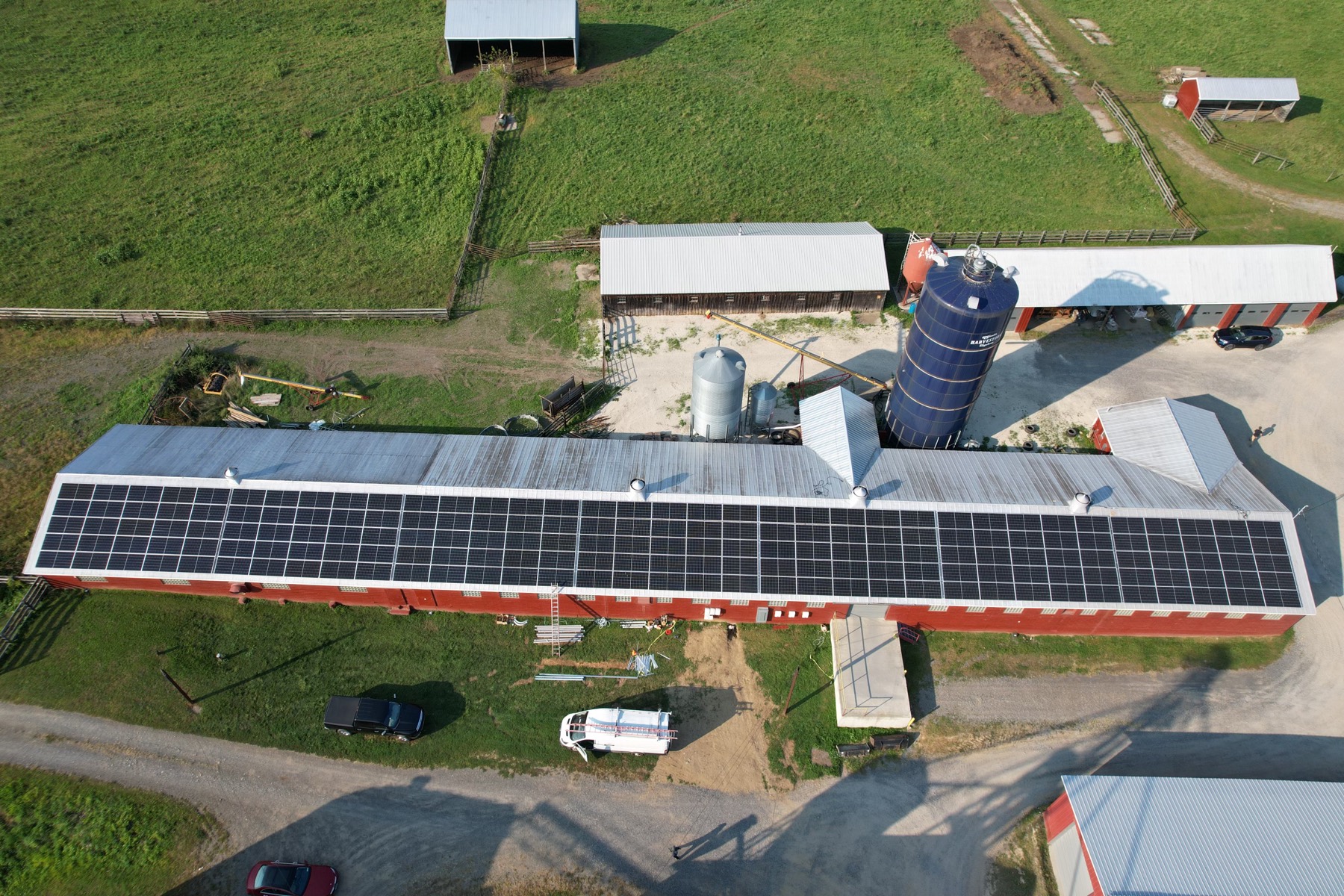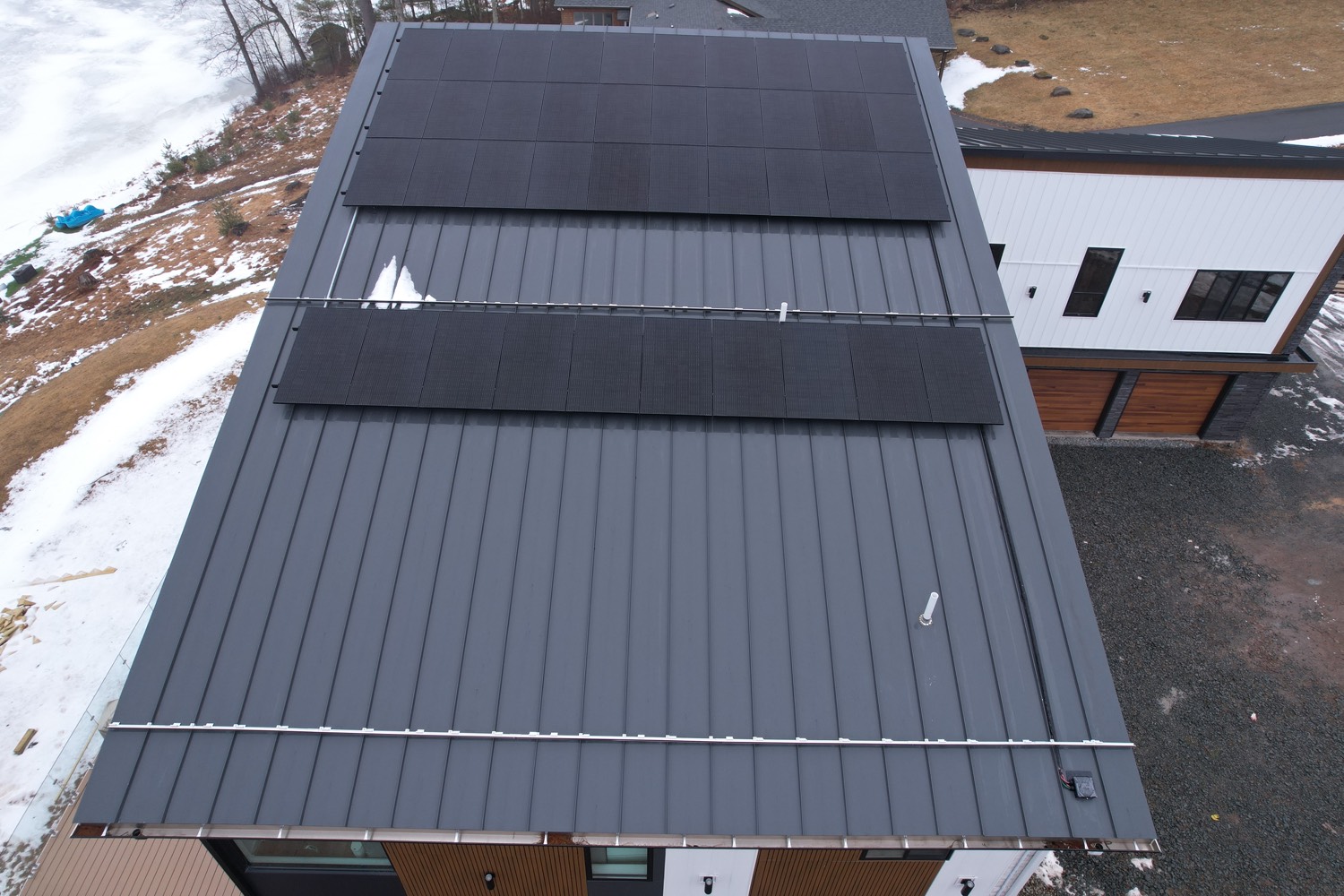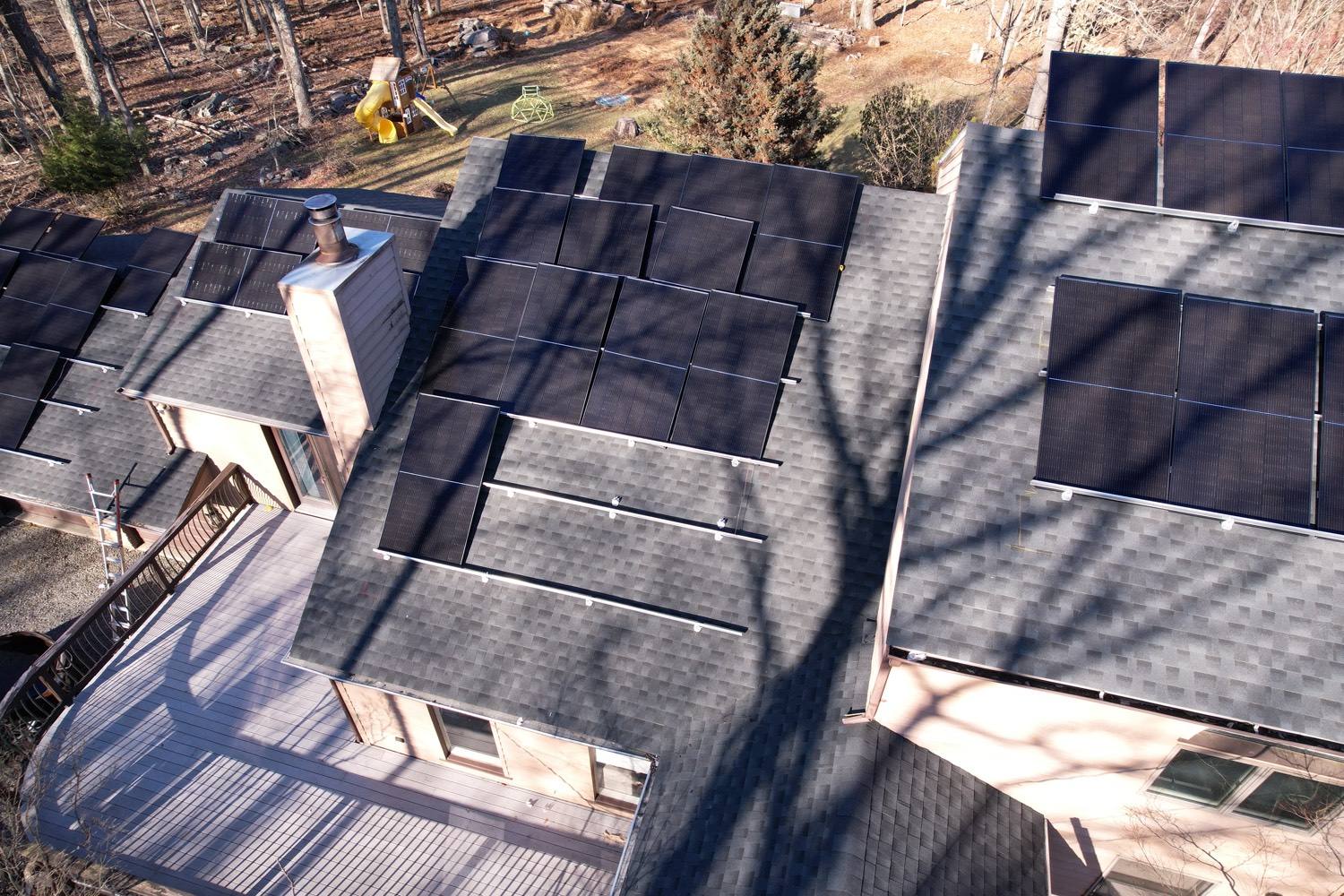
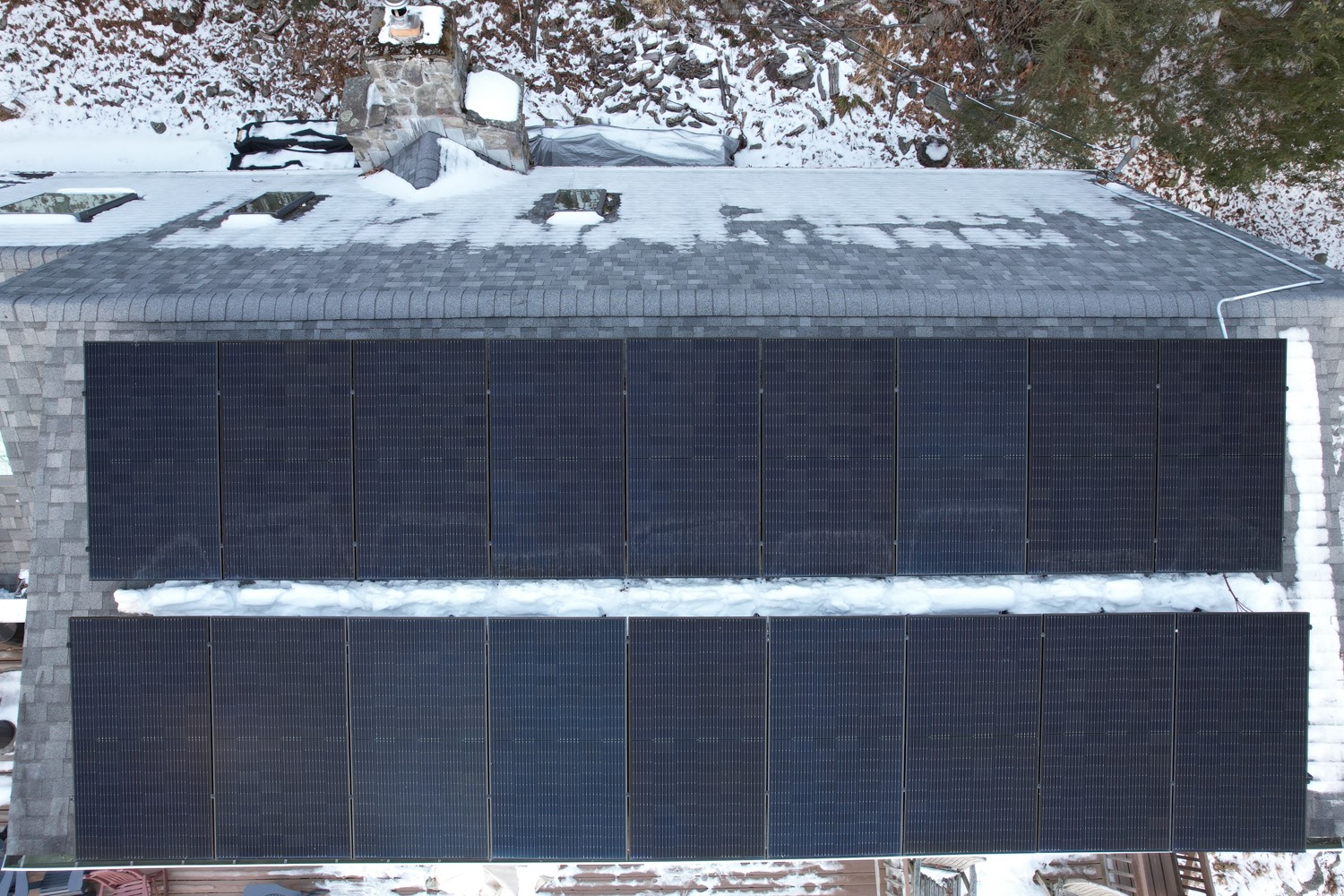
A service call on an unfamiliar array is a documentation job with a repair attached to it. The company dispatching us usually did not install the system, may not have the original plan set, and now carries a warranty obligation, a lease fund's production expectation, or a customer who is unhappy with someone else entirely. What that company needs back is a defensible record of what was found, what was done, and what is still outstanding. The fix is the easy part.
Who actually sends these
Almost never the person who owns the array. The ticket comes from a solar company carrying a workmanship warranty with no service truck, a fleet owner or operations and maintenance platform dispatching by geography, a warranty administrator reimbursing covered labour, or a servicer holding paper on a system whose original installer is gone.
That matters because those buyers screen on response time and paperwork quality rather than on price. They are buying geographic coverage and first-visit-fix discipline. A crew based at the point where Pennsylvania, New York and New Jersey meet is short-drive coverage for a large chunk of the tri-state installed base, which is the whole reason this work comes our way.
What we ask for before the truck rolls
Half of the diagnosis is usually sitting in the data already. Before scheduling we ask for whatever exists:
- Monitoring access or a screenshot history, when production dropped, whether it dropped to zero or partially, and whether it recovered.
- Equipment list: inverter make and model, module count, whether there are optimisers or microinverters, and whether there is storage.
- Site access notes: attic or basement access, roof pitch and type, dog on site, gate code, who lets the tech in.
- The original scope if it exists, and the reason the dispatching company believes the fault is covered.
- Any prior visit notes, including from the original installer.
If none of that exists, we still go, but a first visit with no data is a diagnostic visit, and it should be scoped and scheduled as one rather than sold internally as a repair.
The as-found record
This is the part that earns the next ticket. Before anything is touched, the tech records the condition of the system as it was handed to us: array photos, rapid-shutdown device and combiner condition, inverter fault codes and screen state, conductor and connector condition at accessible points, roof and mount condition where visible, and the labelling as it stands against what the code requires.
Two reasons this matters more on other people's systems than on our own. First, it is the only defence against being blamed for a pre-existing condition, corroded MC4 connectors and a cracked module frame did not happen because a tech went up a ladder. Second, it is what the dispatching company forwards to whoever is actually paying, and photo and QA documentation is frequently what releases a milestone or a reimbursement.
The faults we actually find
On systems from the early 2010s through the boom years, the same short list accounts for most of the work: a failed string inverter past its service life, a failed or degraded optimiser or microinverter dragging a string, water ingress at a connector or a junction box, a rapid-shutdown transmitter or receiver fault, a tripped or mis-labelled breaker at the point of interconnection, and mounting hardware that has loosened or corroded.
What none of those need is a sales conversation. Which is exactly why this work sits so comfortably on the contractor-to-contractor side of the business, the ticket comes from a company, the report goes back to a company, and the property owner never has anything sold to them.
The commercial line the tech should never have to draw
The most common way a service subcontract goes wrong is a technician standing on a roof deciding whether something is in scope. Agree the rule in advance:
- Diagnose and document everything, always.
- Repair inside an agreed scope without a second call.
- Anything outside it gets quoted as a scope and goes back to the dispatching company for a decision, with photos.
That keeps the commercial decision with the company that owns the customer relationship, where it belongs. It also stops the awkward version where a tech quotes work directly to somebody else's customer, which we do not do, on any job, ever.
The local wrinkle
Two things are specific to this territory. Winter access changes the calculus more than anything else: an array in the Poconos with snow on it is not diagnosable in the same visit, and pretending otherwise turns one truck roll into two. When a ticket arrives in January we say so up front rather than billing for a wasted trip.
The second is the fleet itself. There is a large installed base across Pike, Monroe, Orange, Sullivan, Sussex and Warren counties from the early-2010s boom, and a lot of it was installed by companies that no longer exist. When the servicer or warranty administrator dispatches instead of the original installer, the work still needs doing and the paperwork matters more, not less.
What this looks like as a relationship
Most partners start here rather than with installs. One repair on a system nobody in their office can figure out, a report that comes back clean and documented, then the annual service backlog, then overflow installs when their own crews are buried. It is a low-risk first transaction with a company that has never worked with you before, which is exactly why we lead with it.
If you want the licensing and insurance file before you send a ticket, that is covered in the prequal packet a subcontractor should hand you. The counties inside our standard radius are listed under coverage, and what we take on is on our capabilities.
What we would tell a partner weighing this up
- Send the monitoring history before the truck rolls, half the diagnosis is usually already in it.
- Agree in advance what happens if the fault is outside the original scope, so the tech is not making a commercial decision on a ladder.
- A defensible as-found record is worth more than a fast fix when the array belongs to somebody else's warranty.